Malawi Revenue Authority (MRA) has unveiled import duties on key medicines and reduced tariffs on poultry and vegetable products in a policy shift experts warn could hurt local production, increase healthcare costs and put further pressure on foreign exchange.
MRA commissioner of customs and excise Patrick Kachingwe announced the policy shift in a circular on amendments to the Customs and Excise (Tariffs) Order dated May 27 2026 addressed to all border stations.
“All station managers and officers should ensure that the contents of this circular are read, understood and implemented,” he said.
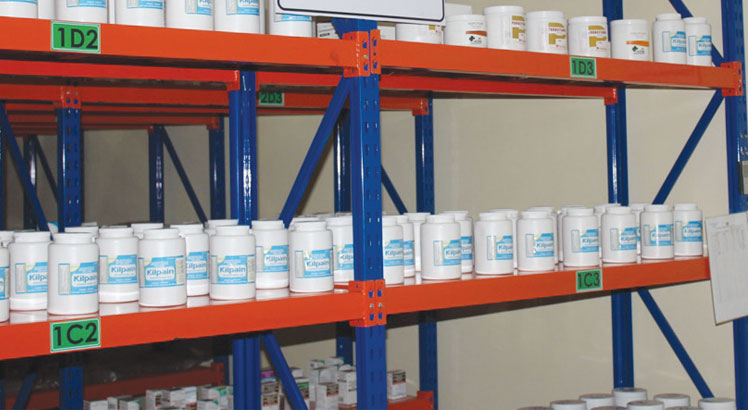
Following the announcement, Amoxicillin 250 milligrammes (mg) capsules and 125mg dry suspension, artemether-lumefantrine, paracetamol, aspirin and ibuprofen now attract a 20 percent import duty. Seed, on the other hand, has also attracted a 20 percent import duty.
On the other hand, the government has reduced import duties on poultry products from 30 percent to 15 percent, covering chicken, turkey, duck, goose, guinea fowl and poultry offals.
Import duties on vegetables and edible plant products have also been cut from 40 percent to 15 percent, affecting items such as tomatoes, onions, cabbage, carrots, potatoes, beans, peas, garlic and cassava.
The tariff adjustments stem from customs and excise changes approved through the 2026/27 National Budget.
In an interview yesterday, taxation expert Misheck Msiska observed that the reduction of duty on poultry and vegetable products will hurt local producers unable to compete with cheaper, mass-produced imports, while increasing forex demand and further weakening the kwacha.
He noted that increasing the price of medicine is “seriously” counterproductive and takes healthcare away from the poor.
Msiska, who is also managing partner at MM Tax Advisory Services, said: “On the agricultural sector, I think the earlier introduction of tariffs on chickens and vegetable products was a welcome development aimed at encouraging domestic production of these readily available foodstuffs and controlling wastage of scarce forex on items that need not be imported.”
“On the introduction of duties on pharmaceuticals, many Malawians cannot afford medical care and the increase in the price of medicine as a result of these duties will put further pressure on meagre government resources in the health sector.”
He said the result is that it will become more attractive for health personnel to steal drugs and make money on the market than is currently the case.
On his part, EK Tax Consulting senior tax consultant Emmanuel Kaluluma observed that customs duties are consumer taxes; therefore, the benefits arising from lower taxes will help bring prices down for consumers.
“However, some business owners might be unethical, so government and consumers should guard against such practices,” he said.
MRA head of corporate affairs Wilma Chalulu had not responded to our questionnaire by press time yesterday on the rationale behind the introduction and revision of these tax lines.
In his speech winding up debate on the tax reforms in Parliament earlier this year, Minister of Finance, Economic Planning and Decentralisation Joseph Mwanamvekha justified the tax reform laws, which formalise the introduction of new levies and broaden the tax base to mobilise domestic revenue for the debt-stressed Malawi Government.
Other tax measures include a 15 percent final withholding tax on rental income, a three percent motor vehicle insurance levy, and new taxes on gambling winnings and the disposal of listed shares.
Under the value-added tax (VAT) regime, the reforms expand taxation into the digital economy, covering services such as streaming, online advertising and software subscriptions, while raising the registration threshold from K25 million to K50 million to ease the burden on small businesses.
MRA said it collected K532 billion in April, the first month of the 2026/27 financial year, exceeding its monthly target of K510 billion by 4.3 percent.
MRA Commissioner General Felix Tambulasi, speaking during the opening of a two-day media engagement between MRA and the Association of Business Journalists in Mangochi two weeks ago, attributed the strong performance to ongoing institutional reforms, improved staff relations and increased public understanding of the importance of paying taxes.
He expressed optimism that the public tax collector will meet and exceed its annual revenue collection target of K6.2 trillion as it is currently collecting between K2 billion and K4 billion in taxes daily.